
Slabs, pads, aprons
Concrete Flatwork in Stickney From Demo to Cleanup
A shed base, an AC pad, the apron by the alley garage. Simple concrete, done properly, with no pile left behind.
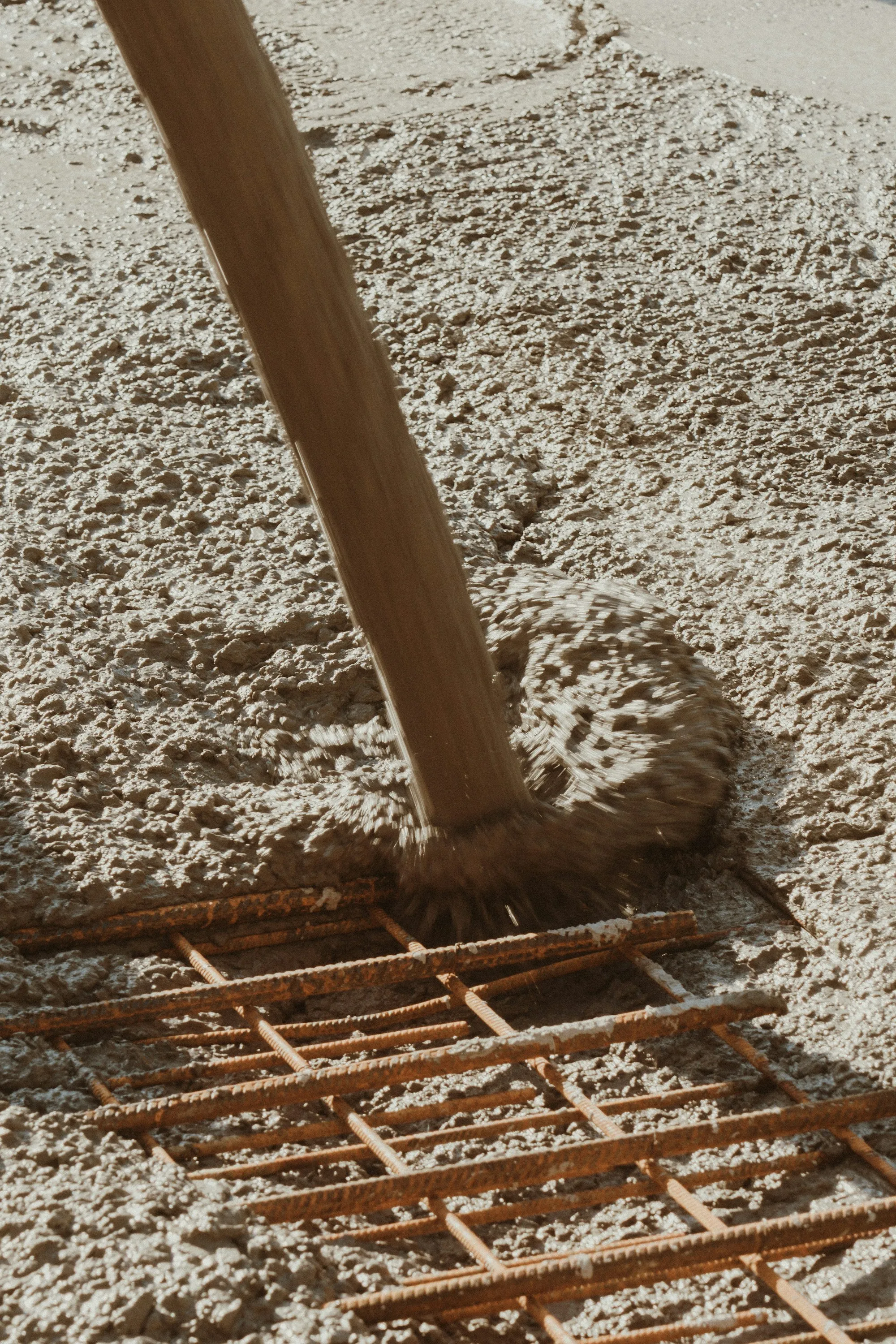
Simple Concrete Still Needs a Real Base
Flatwork is the plain stuff. A slab for the shed. A pad so the air conditioner sits level. The apron between the alley and the garage door, which takes more abuse than most driveways. Because it is simple, it gets treated as an afterthought, and that is how you end up with a pad that tips, a shed that racks or an apron that breaks up every spring. Here is how we handle it. The crew that shows up for the break-out stays for the whole job. Old concrete gets broken, loaded and hauled. Then the digging goes down past the topsoil and any soft fill until we hit ground that will hold. Stone goes in a few inches at a time, each layer run over with a compactor. Forms get staked and set to a slope, because even a small pad needs water to run off it, not under it. Reinforcement goes where the slab will see weight, especially on an alley apron where garbage trucks and delivery vans swing wide. After the pour we finish the surface for its use, cut the joints and keep the slab damp or covered so it cures hard. Then forms come out, dirt goes back along the edges and the alley gets swept. In Stickney, where most garages face an alley and side yards are narrow, we also plan how the concrete truck or buggies get in before the day of the pour.
What You Get on a Flatwork Job
Big or small, a slab gets the same list.
Break-out and haul
Old slab broken up and taken off the property the same week.
Dig to solid ground
Topsoil and soft fill removed. No pouring on mud.
Layered stone base
A few inches at a time, each layer compacted before the next.
Slope set on purpose
Forms pitched so rain runs off the pad instead of under it.
Steel where it is needed
Extra reinforcement on aprons and slabs that carry heavy loads.
Finish that fits
Broomed outdoors for traction, smoother where something sits on it.
Joints cut on spacing
So shrinkage cracks hide in straight grooves.
Alley swept
Forms out, edges backfilled, everything hauled. Done means clean.
How It Goes
Look and measure
We see the spot, figure the slope and check how we get in. You get a written number covering demo, base, thickness, steel and finish.
Break out and build up
Old concrete out, soft ground dug away, stone layered and compacted, forms staked to the slope.
Pour, cure, clean
Slab poured, finished and jointed, kept wet or covered while it cures. Then the same crew strips forms, backfills and sweeps.
Why People Call Us for Small Slabs
No job too plain
An AC pad gets dug and based like anything else we pour.
Alley-smart
We plan truck access and traffic before the pour, not during it.
You deal with one crew
Same faces on the first day and the last.
- One crew, start to end
- Solid ground underneath
- Pitched to shed water
- Cured wet or covered
Got a Pad or Apron to Pour?
Tell us the rough size and what sits on it. The owner will walk you through it and set a time to come look.